
PixelPLUSالعربيةGet a quote
Guide

COB vs SMD LED: what is the difference?

Short answer

SMD screens use individual LED packages soldered onto the board — the proven, lower-cost choice for P1.5 and above. COB (chip on board) bonds the tiny LED chips straight onto the board and seals them under a resin layer, giving a tougher, darker, smoother surface — the better choice for very fine pitches (P0.9–P1.5) and screens people can touch.
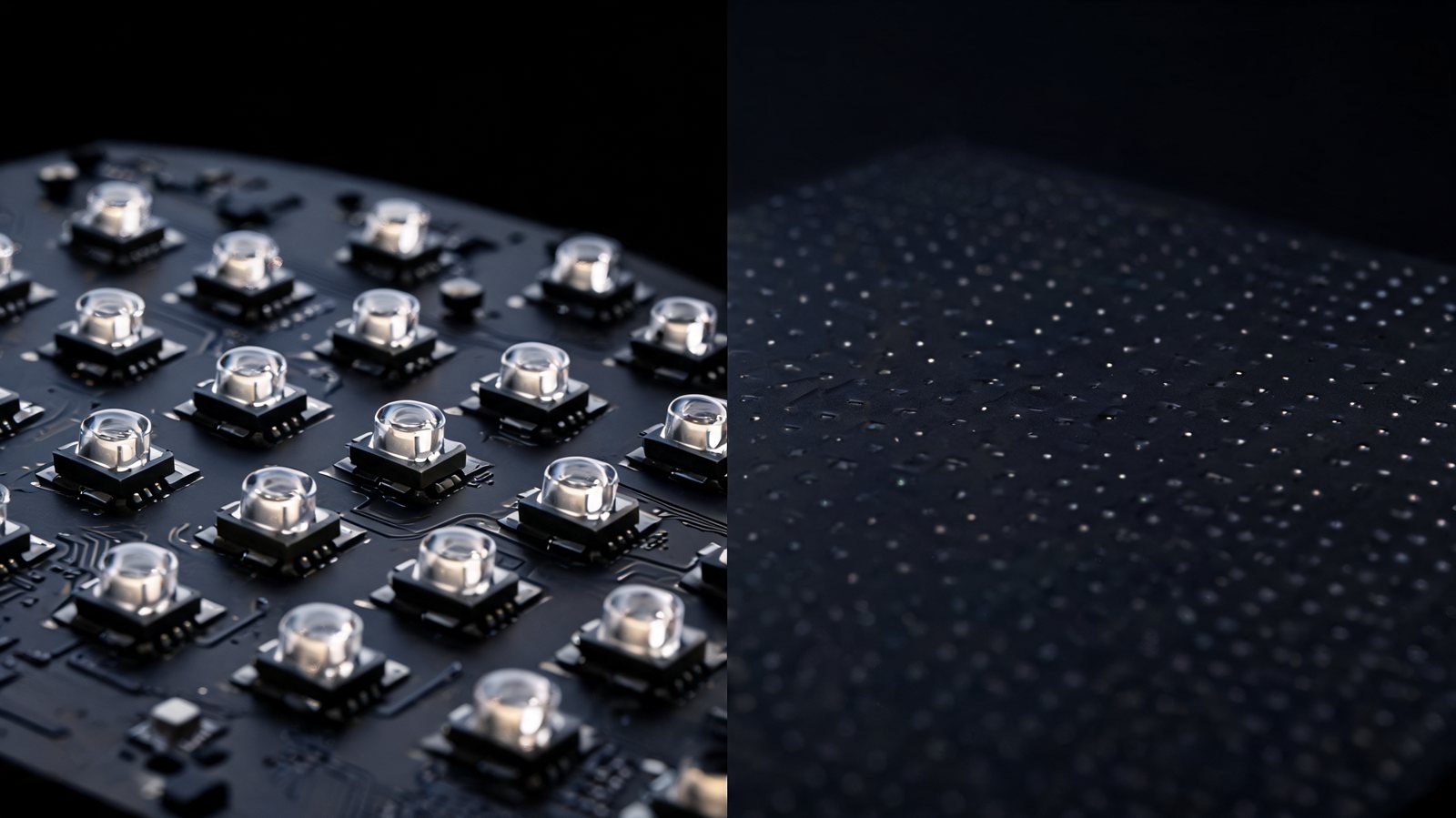
COB vs SMD LED: what is the difference?

Side by side

SMDCOB
How it is madeSeparate LED packages soldered to the boardLED chips bonded to the board and sealed in resin
Best pitchesP1.5 and aboveP0.9 – P1.5
SurfaceIndividual bumps; LEDs can be knocked offFlat, sealed and hard to damage
ContrastGoodDeeper blacks, smoother image
CleaningGentle brushing onlyCan be wiped carefully
RepairSingle LEDs can be resolderedUsually the whole module is swapped
CostLowerHigher at the same pitch

Choose COB when

  • The screen is within reach of people — receptions, retail floors, corridors.
  • You need a very fine pitch for boardrooms or control rooms.
  • You want the deepest blacks and a premium, matte look.

Choose SMD when

  • Viewers are 3 m or more away and P1.86–P4 is enough.
  • Budget matters more than the last bit of contrast.
  • You want the widest choice of sizes, brands and rental options.

Frequently asked questions

Is COB better than SMD?

For fine pitches and touchable screens, usually yes. For normal viewing distances SMD gives excellent results for less money.

Does COB last longer?

The sealed surface protects against knocks, dust and moisture, which helps it last in busy public spaces.

What does GOB mean?

GOB (glue on board) is SMD with a protective glue layer added on top — a middle ground between SMD and COB.

More guides

All guides →

Want the exact screen and price for your space?

Send the size, viewing distance and a photo — we reply with a clear quote.